
Here’s something that surprises almost every first-time buyer: the purchase price is not what you actually pay. On top of that number sits a stack of government charges that nobody in the selling agent’s office will bring up until you’re deep into the process.
Stamp duty. Land tax. Council rates. And if you’re buying in the wrong state, the difference between what you pay and what your friend paid for the same price property in a different city can be more than $27,000. A holiday. A chunk of your emergency fund. Gone — because of which state you happened to buy in.
Buying property in Australia comes with a tax bill most people don’t see coming — and in some states, it’s a big one. In this guide, we will explain every major property tax in Australia in plain language with everything you need to know before you sign anything.
So, What Are We Actually Talking About?
There are three main property taxes every Australian buyer needs to understand. Stamp duty is the big one. It’s a one-off government charge you pay when you buy a property. It comes out of your savings — on top of your deposit — and in most states you can’t add it to your mortgage. Land tax is the annual one. It applies to investment properties and vacant land — not your home you live in. It’s calculated on the unimproved land value and charged every year. Council rates are the local one. Every property owner pays them, owner-occupiers included. They fund your bin collection, local roads, parks, and libraries.
Part 1: The Upfront Tax That Can Make or Break Your Budget
What It Is?
Stamp duty (officially called “transfer duty” in most states) is calculated on your purchase price or the property’s market value — whichever is higher. That second part matters. If you buy a property from a family member below market value, the state revenue office can still assess duty on what it thinks the property is worth.
It uses a progressive bracket system, similar to income tax. You don’t pay the top rate on your entire purchase — only on the portion that falls in each bracket. That’s why two properties priced at $790,000 and $810,000 can have very different bills in some states.
Payment is due within 30 days of settlement in most states (NSW gives you up to 3 months from contract). It comes out of your savings. Not your mortgage. Not your offset account. Your actual cash.
The State-by-State Breakdown
Here’s how stamp duty compares across all eight states and territories for 2025–26.
Australian Stamp Duty — State by State (2025–26)
| State / Territory | Top Rate | FHB Full Exemption Up To | FHB Concession Up To | Foreign Buyer Surcharge | Stamp Duty on $800K (non-FHB) |
| NSW | 5.5% (+ 7% above $3.4M) | $800,000 | $1,000,000 (sliding) | 8% | ~$31,000 |
| VIC | 6.5% | $600,000 | $750,000 (sliding) | 8% | ~$43,000 |
| QLD | 5.75% | $700,000 established / No cap new | $800,000 established | 8% | ~$22,000 |
| WA | 5.15% — lowest in Australia | $500,000 | $600,000 metro / $750,000 regional | 7% | ~$27,000 |
| SA | 5.5% | New homes only — no price cap | No concession on established | 7% | ~$33,000 |
| TAS | 4.5% — lowest top rate | $750,000 (until June 2026) | No sliding scale — hard cliff | None | ~$27,000 |
| ACT | 6.4% | $1,020,000 (from July 2025) | $1,455,000 (income-tested) | None | ~$16,000 |
| NT | Formulaic below $525K | No FHB exemption | N/A ($50K HomeGrown grant) | None | ~$38,000 |
Source: State revenue offices · stampdutycalcs.com.au · propertyinvestmentprofessionals.com.au (2026 rates). Always verify with your state for the revenue office before transacting.
What a $500,000 Purchase Really Costs — State vs State?
The gap between states is most visible when you compare a standard purchase price side by side. Here’s stamp duty on a $500,000 property for a standard buyer versus a first home buyer.
Stamp Duty on a $500,000 Property — Non-FHB vs First Home Buyer
| State | Standard Buyer | First Home Buyer |
| NSW | $17,029 | $0 (exempt under $800K) |
| VIC | $21,970 | $0 (exempt under $600K) |
| QLD | $8,750 | $0 (new — no cap / established under $700K) |
| WA | $17,765 | $0 (exempt under $500K) |
| SA | $21,330 | $21,330 (no concession on established) |
| TAS | $18,247 | $0 (exempt under $750K) |
| ACT | $8,720 | $0 (exempt under $1,020,000) |
| NT | $23,929 | $23,929 (no FHB exemption — $50K grant instead) |
Source: stampduty.calculatorsaustralia.com.au (2025–26 rates). Estimates only.
Part 2: What You Actually Need to Know?
New South Wales
Top rate is 5.5%, with a 7% premium rate kicking in above $3.4 million. First home buyers get a full exemption up to $800,000 — the most generous established-home threshold of any mainland state. Above that, a sliding concession applies up to $1,000,000. The thing NSW has that nobody else does: the Home Buyer Choice scheme. Eligible buyers can opt to pay an annual property tax instead of stamp duty upfront, on properties up to $1.5 million.
Victoria
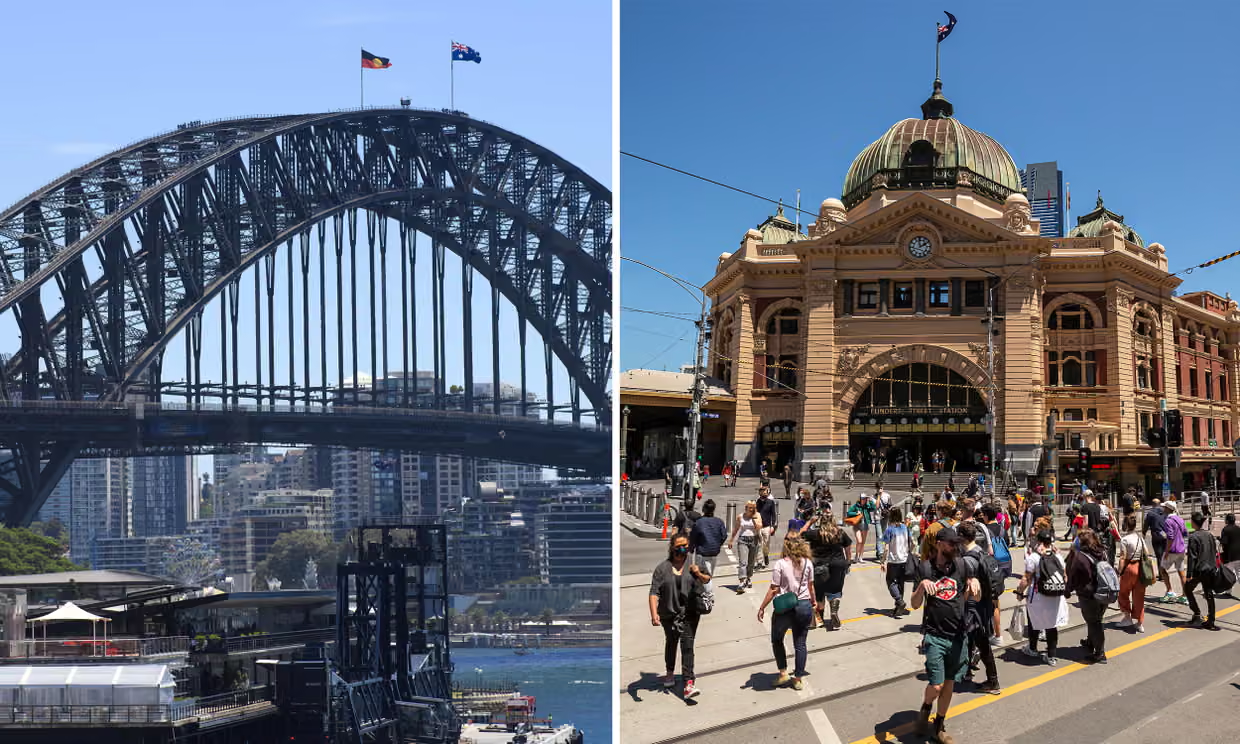
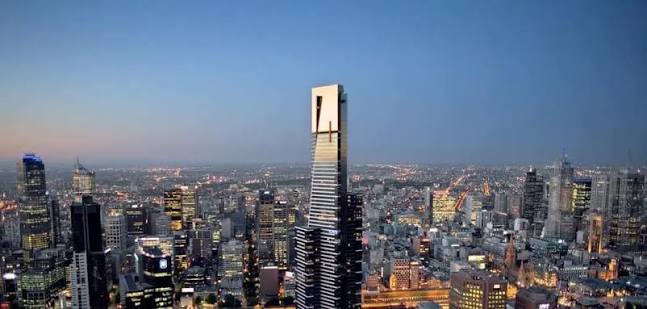
Victoria is, bluntly, the most expensive state for stamp duty. On an $800,000 property, a standard Victorian buyer pays approximately $43,000 — compared to $31,000 in NSW and just $16,000 in the ACT. First home buyer exemption runs to $600,000 (full) and slides to $750,000. In a market where Melbourne’s median dwelling is $827,000, that threshold doesn’t stretch very far for established homes. The 8% foreign buyer surcharge is among the highest in the country.
Queensland
First home buyers purchasing a new home in QLD pay zero stamp duty regardless of price. No cap. That’s the most generous new-home concession in Australia. For established homes, the FHB exemption runs to $700,000 with a sliding scale to $800,000. For non-FHBs, QLD’s rates are specifically lower than NSW or Victoria at the same price point with a $600,000 property and a standard Queensland buyer pays roughly $15,925 vs. $31,070 in Victoria.
Western Australia
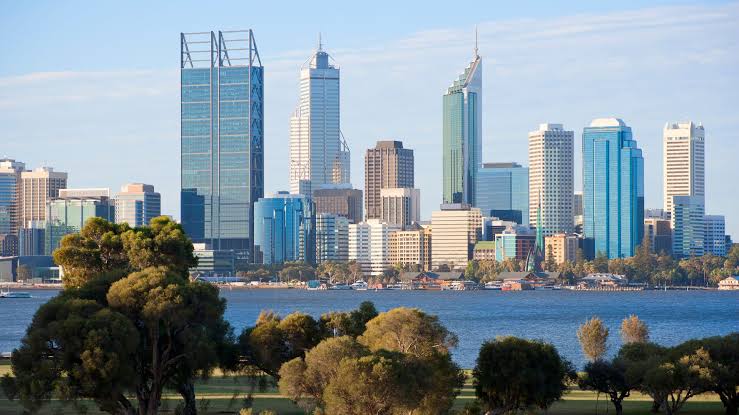
Western Australia has the lowest top marginal stamp duty rate in the country at 5.15% — and when you pair that with Perth’s median prices still sitting well below Sydney and Melbourne, buyers at the upper end of the market are paying less in both dollar terms and as a percentage of the purchase price. It’s a meaningful difference. Stack the $30,000 First Home Owner Grant on top of that for new builds, and there’s real money on the table for those entering the market for the first time.
South Australia
SA’s approach is unlike any other state: zero stamp duty for first home buyers of new homes, with no price cap (from May 2025). That’s potentially tens of thousands saved if you’re buying a brand new apartment or house-and-land package.
But for established homes? No concession at all. A first home buyer purchasing a $500,000 established SA property pays the same $21,330 as any other buyer. This is a deliberate policy to incentivise new construction, and it works — if you know about it before you start looking.
Northern Territory
The NT uses a formulaic calculation for properties under $525,000 that can be tricky to work out manually but often results in moderate duty. Above $525,000, standard bracket rates apply. There’s no FHB stamp duty exemption — but the $50,000 HomeGrown grant for eligible new home builds is one of the most generous first home owner grants in Australia. No land tax in the NT either (more on that below). No foreign buyer surcharge applies.
Part 3: Land Tax — The Annual Bill Most Investors Miss Until It Hurts
Stamp duty is the one you see coming. Land tax is the one that surprises investors 12 months after they settle.
Land tax is an annual charge on investment properties, vacant land, and some holiday homes. Your principal place of residence is generally exempt. It’s calculated on the unimproved land value — the value of the land alone, not the buildings on it — as assessed by the state’s Valuer-General.
The rates and thresholds vary enormously between states. The same investment property could attract zero land tax in NSW (if your total land holdings are below the threshold) or over $3,000 a year in Victoria — where the threshold is so low that virtually every investment property triggers it.
Land Tax Thresholds and Rates — 2025–26
| State | Tax-Free Threshold (Individual) | Rate Above Threshold | Key Notes |
| NSW | $1,075,000 (frozen from 2025) | 1.6% above threshold; 2.0% above $6.57M | Foreign owner surcharge 5% pa |
| VIC | $50,000 — lowest in Australia | Starts at 0.2%; up to 2.55% + COVID levy | COVID levy in place until 2033 |
| QLD | $600,000- individual | Starts at 0.5% | Investors above threshold |
| WA | $300,000 | Progressive from 0.09% | Relatively low rates |
| SA | $833,000 (2025–26, indexed annually) | Progressive from 0.5% | Trust threshold just $25,000 |
| TAS | $125,000 | Progressive to ~1.5% | Two-bracket system |
| ACT | No threshold | 0.54%–1.26% + $1,693 fixed charge | Quarterly assessments |
| NT | No land tax | N/A | Only state/territory with no land tax |
Sources: Revenue NSW · JMD Mortgages · propertytaxtools.com.au · RevenueSA · PwC Land Tax Maps Feb 2026.
What Investors Need to Know?
Land value, not property value. Your land tax is calculated on the land component only — not the total purchase price. Thresholds are aggregated across properties. If you own three investment properties in the same state, the land values are added together. Trusts and companies get worse thresholds. In SA, the trust threshold is just $25,000 compared to $833,000 for individuals.
Land tax is immediately tax-deductible, land tax paid on investment properties is deductible against rental income in the same year. It hurts cash flow, but it reduces your tax bill. Victoria’s COVID levy runs until 2033. If you’re buying investment property in Victoria, factor in this additional levy. It’s been in place since the post-pandemic period and isn’t going away for years.
Part 4: The Small Annual Bill Everyone Forgets to Budget For
Council rates are the most overlooked property cost because they’re the smallest — but they apply to everyone. Owner-occupiers, investors, vacant land holders. No exemptions.
You pay them to your local council, quarterly or annually, to fund waste collection, local roads, parks, libraries, and community services. In Australian metro areas, expect $1,000–$3,000 per year for a standard residential property. Inner-city councils can run higher. Regional councils vary by land use.
Council rates are fully deductible if it’s an investment property. For your own home, they’re not deductible — but they’re predictable, so budget for them accordingly.
Part 5: What Happens When You Sell?
Two things every property investor needs to understand: The 50% CGT discount. Hold the property for more than 12 months and only half your gain is assessed for tax. This is one of the most significant tax advantages in the Australian system for property investors.
The main residence exemption. Your home is generally fully exempt from CGT. Partial exemptions apply if you rented part of it out at any point or if it wasn’t always your primary home. Stamp duty adds to your cost base. The stamp duty you paid when you bought reduces your taxable capital gain when you sell. It’s not a complete offset, but it helps.
Part 6: Foreign Buyers — The Extra Layer
Overseas buyers face additional obligations beyond standard stamp duty: FIRB approval is required for most foreign nationals buying residential property. Fees are scaled to property value.
Foreign buyer stamp duty surcharges of 7–8% apply in most states on top of the standard rate. On a $1 million property in Victoria, that’s an additional $80,000 in duty — before you’ve paid a cent of standard stamp duty. Ongoing foreign owner land tax surcharges of 0.75–2% of land value apply annually in most states.
Part 7: Vacancy Taxes — If You Leave It Empty
Own a property that’s just sitting there? It could be costing you.
A few states have started hitting vacant properties with extra taxes — and if you’re not across them, the bills can sneak up fast. There’s also a federal charge for foreign owners. If you own Australian residential property from overseas and it’s been sitting vacant for six months or more in a year, a vacancy fee applies.
The bottom line: if you’ve got a property you’re neither living in nor renting out, it’s worth checking whether one of these taxes applies to your situation. In Victoria especially, doing nothing gets more expensive every year you leave it.
Own a property that’s just sitting there? It could be costing you.
A few states have started hitting vacant properties with extra taxes — and if you’re not across them, the bills can sneak up fast. Victoria’s the one to watch. Since the start of 2025, if your residential property sat empty for more than six months last year, you’re up for a Vacant Residential Land Tax. It starts at 1% of the property’s value, climbs to 2% the following year, and locks in at 3% from year three onwards.
That compounds quickly on anything worth serious money. And from this year, the net widens further — unimproved residential land in metropolitan Melbourne that’s been sitting undeveloped for more than five years gets caught too.
The Practical Bit — What To Do With All This?
If You’re a First Home Buyer
Check your state’s FHB exemption threshold before you set your price range. Buying under the exemption threshold can save you $15,000–$25,000 before you’ve even moved in. In South Australia, only new homes qualify for the FHB exemption. If you’re in SA and stamp duty savings matter to you, that narrows your search to new builds. In NSW, the Home Buyer Choice annual property tax option is worth modelling if you’re short on upfront cash. It might let you enter the market 12–18 months earlier than saving for full stamp duty would.
If You’re an Investor
Calculate land tax before you buy, not after. Use your state revenue office’s online calculator with the actual land value — not the total purchase price. Compare states strategically. The NT has zero land tax. NSW has a threshold of $1,075,000 for individual investors. Get advice on ownership structure before you buy. Trusts and companies often face lower (or zero) land tax thresholds, which can significantly increase your annual bill.
For Every Buyer
Before you sign anything, run the numbers. Every state has a free stamp duty calculator online — Revenue NSW, the State Revenue Office in Victoria, Queensland Revenue Office. Use them. Don’t rely on estimates or what someone told you a year ago. Verify the actual figure before you exchange contracts, because upfront costs beyond your deposit can easily clear $50,000–$70,000 on a median-priced home once you add everything up.
Final Thoughts
Property taxes catch a lot of buyers off guard — but they shouldn’t. On most purchases, they’re the biggest cost after the purchase price itself. The same $800,000 home costs around $16,000 in stamp duty in the ACT, $31,000 in NSW, and $43,000 in Victoria — same price, completely different bill depending on where it sits. For investors, land tax can add thousands every single year, and in Victoria it starts almost straight away. At NextHouse, we think you should have the full picture before you make one of the biggest financial decisions of your life. Because knowing this stuff upfront isn’t being cautious — it’s just being smart.
Getting across this stuff before you buy isn’t being obsessive or overly cautious. It’s just the difference between a budget that holds together and one that quietly falls apart.
Disclaimer: This report is for educational and informational purposes only. It does not constitute financial, investment, or legal advice. Always seek professional advice before making property decisions.