
If you have ever observed a tide rising and falling, you understand that the movement follows a predictable rhythm—high tide, low tide, then high tide again. The Global real estate investing markets follow a similar cyclical trend; however, the drivers of those cycles have never been more interrelated than in this case. Technological changes, increased climate issues, population changes, and the rise of new sources of capital are all changing the question of where, how, and why investors will invest in property in the next decade.
These understandings of dynamics are not just a habit but form the basis of strategic decision-making, that is, whether to acquire, retain, diversify or divest assets in a particular market. It allows the investors to discover new opportunities and the essence of what NextHouse offers. The macro-level trends are transformed into action-oriented, neighbourhood-level insights which enable making data-driven and confident investment decisions.
Top 6 Macro-Trends Shaping Global Real Estate Investing
The 6 largest currents that are going to define the industry from 2025 to 2035 are presented below. They are explained in simple terms, and this is followed by a brief commentary on what it entails for the investors on the ground.
1. Urban‑to‑Suburban Rebalancing
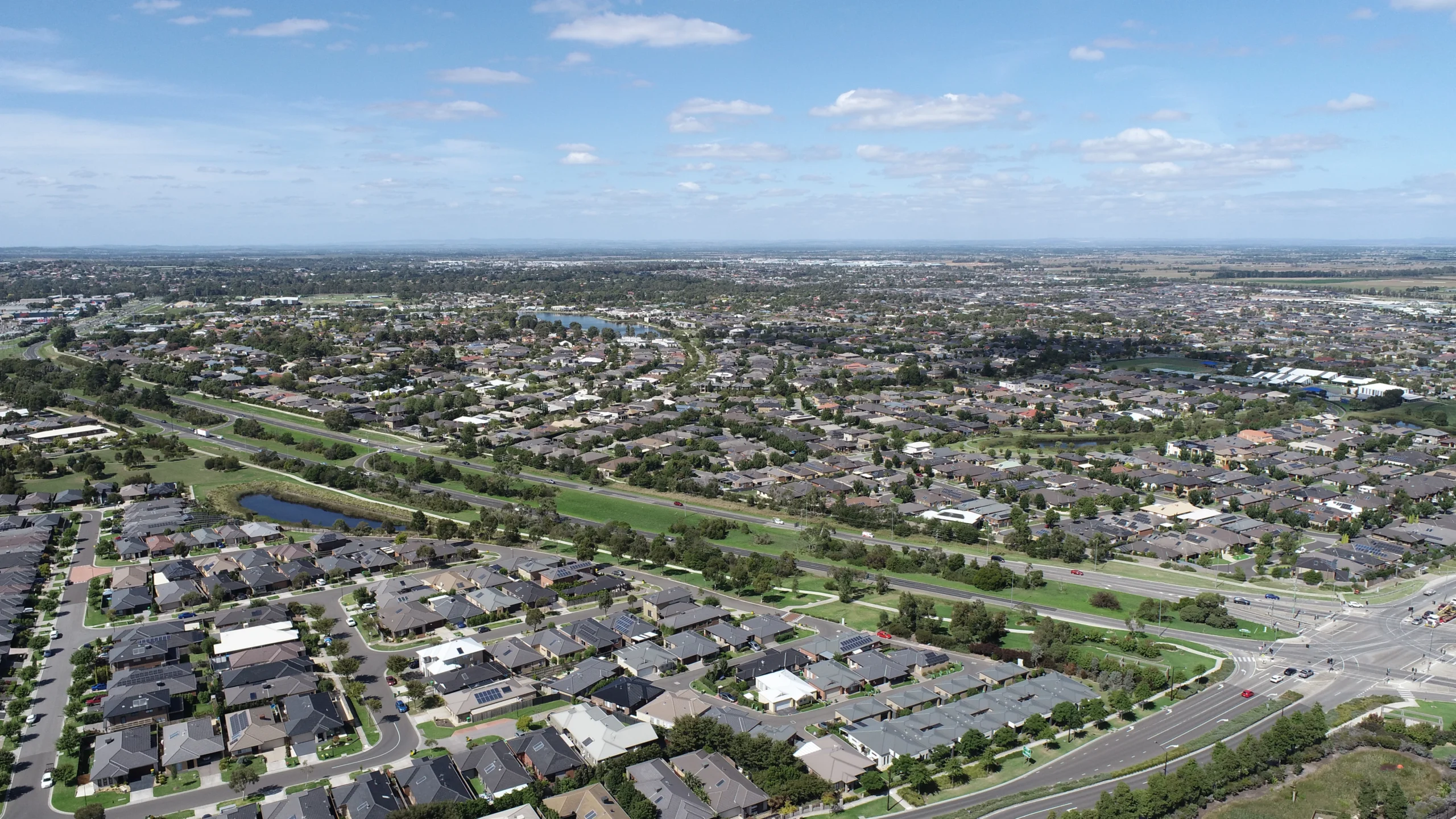
In the 20 years of incessant urban development of the city centre, large houses, quality schools and more land have become desires among many families. Remote-work policies have demonstrated that most jobs do not require a daily commute, and governments are investing in transport corridors that connect suburbia to CBDs.
Implication: Probably, suburban precincts having good transport connections, a good school reputation and provision of facilities will perform better in the market than the classic city centre resources, particularly in such markets as the United States, the United Kingdom, Canada and Australia.
2. The Rise of “Smart” Buildings
AI-based energy management, tenant integration and sensor-based technologies are shifting to the must-have category. Light, heating, and ventilation, which are also automated, in addition to reducing operating expenses, entice high-paying tenants who take note of sustainability and technology-friendly premises.
Implication: Any asset should be given precedence by the investor over assets that already have smart-building infrastructure or those that can be easily upgraded at a reasonable cost. Green-certified properties are gaining more and more premium rents and lower vacancy rates.
3. Asset Reallocation Due to Climate
The rise of sea level, the increased number of extreme weather incidents, and rigors environmental laws are defining the geography of safe and profitable investment. In the United States, South-east Asia and some European countries, gradual changes in investor preference in higher-ground places and climate-resilient locations are being experienced in the coastal megacities.
Implication: Before investing capital, undertake a climate-risk evaluation. Find markets that have well-developed adaptation strategies, good flood-reduction infrastructure and government subsidies on resilient construction.
4. The Flood of Institutional Capital
Inflation hedging: Sovereign wealth funds, insurance companies and pension funds are investing bigger portions of their portfolios in real estate due to its inflation-hedging properties. This flood of deep-pocket capital is boosting valuations in the core markets, along with driving a need for the secondary-tier assets, which are capable of yielding more.
Implication: Competition for prime assets will be more intense in large cities, but look also to niche opportunities in smaller markets where institutional investors are just starting to investigate.
5. Online Advertising and Fractional Distribution
Crowdfunding platforms (enabled by blockchain) and tokenisation of property are making global property more democratic. A Tokyo investor has just been able to buy 0.1% of a commercial tower in the city of São Paulo, in Brazil, by clicking a button.
Implication: To the individual investor, fractional ownership reduces the entry point and offers the advantage of portfolio diversification. In the case of developers, collaborating with digital platforms will open new sources of pre-sale financing, allowing them to reach a broader range of investors and potentially increase their funding opportunities.
6. Demographic Changes and Elderhood
There are countries which are ageing, like Japan, Germany and Italy, and there are countries like India, Nigeria and Brazil facing a youth bulge. The first generates a need in senior-living homes and downsizing to smaller and more accessible housing; the second creates a need in affordable rentals and first-home buyers.
Implication: Design the asset mix to match the demographics of the market. Senior-housing and mixed-use projects, which include a healthcare element, can create steady cash flows in old-age societies. The growth driver is probably going to be the high-density, low-cost rentals in the younger markets.
What This Means for Australian Investors
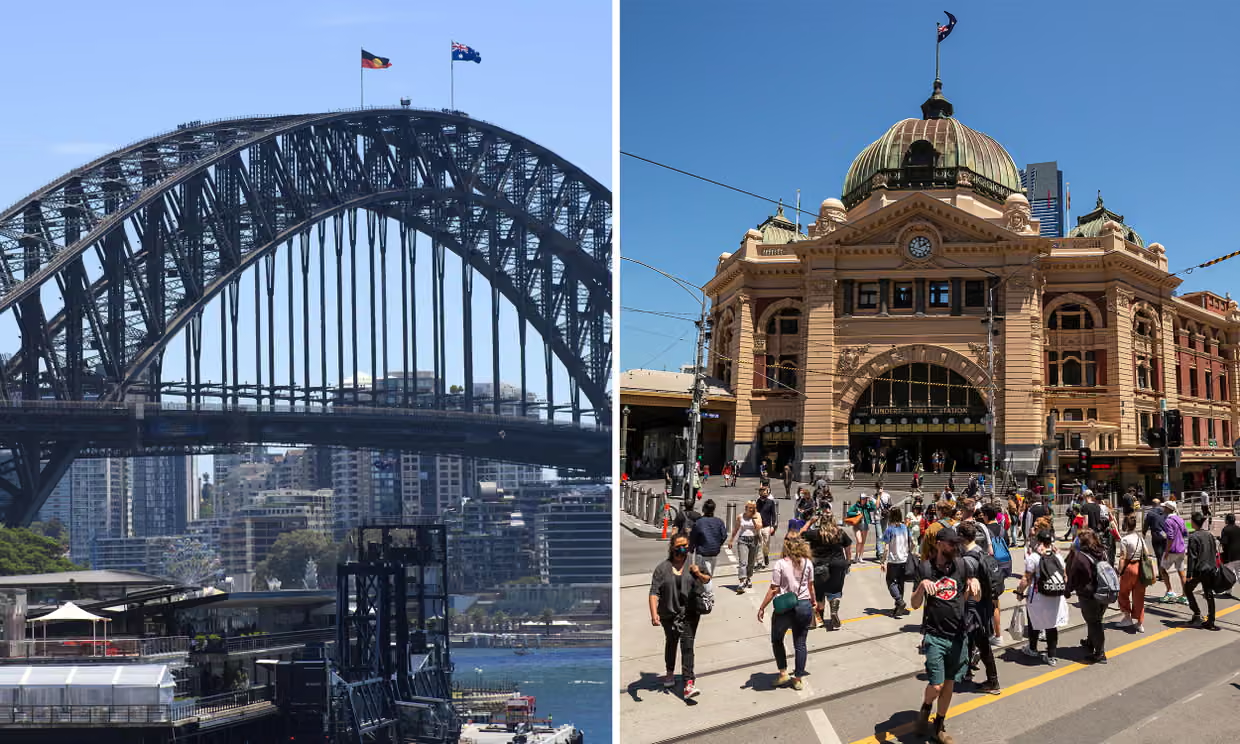
Australia is at the intersection of most of these trends. Its highly conducive rule-of-law culture, sound political atmosphere and foreign direct investment volumes predispose the country to be a global capital destination.
- Suburban development: Sydney is experiencing growth in the west, Melbourne in the north-west and Brisbane in the south-east, spending on infrastructure that will facilitate progress.
- Adoption of smart buildings: Office towers and logistics centres in Australia are pioneering AI-based energy management in the region, which is establishing a premium on tech-enabled buildings.
- Climate resilience: The Australian government has indicated its National Climate Resilience and Adaptation Strategy, requiring developers to construct on elevated land and provide fire-resistant design.
The insight into the intersection of these forces, locally, will give you a better idea about where value is likely to come into existence within the next ten years.
How NextHouse Drives International Trends to Local Action
The NextHouse was created to fill the macro insight and neighbourhood-level decision-making gaps. The following are the essential tools that can enable you to use the six trends in your portfolio.
- Dynamic Trend Dashboard – A graphical feed that places the six global trends on Australian suburbs. An exemplary case would be a suburb with the marker of climate resilience; it will display flood-risk scores, bushfire-reduction actions and government incentives.
- Smart-Asset Score – Each property in the database will be rated based on its current technology stack (IoT sensors, energy-management systems, tenant platforms). Increased scores would translate into higher rent premiums and reduced operating costs.
- Demographic Heatmap – View age-group distribution, median income development and migration at the postcode level. This will enable you to align the types of assets (senior housing, affordable rentals, and luxury apartments) with the appropriate audience.
- Institutional Activity Tracker – Current information on the location of the purchase or sale of large sums. Identify hot spots of the secondary tier early on, before they get into the mainstream.
- Fractional-Ownership Marketplace – Explore tokenised assets in the global portfolio, and compare returns and buy fractional ownership on the platform.
- Scenario Modeller – Add your assumptions (e.g., a 0.5% interest rate up, a 10%. increase in sea-level risk) and have them automatically run through on any property you are considering.
Together, these tools give you a “global‑to‑local” lens that no other platform currently offers.
Practical Steps to Future‑Proof Your Portfolio
The following are the steps you can take today based on the trend they focus on.
1. Rebalance to the suburban hubs
- Determine areas surrounding suburbs that are about to be improved in transport (new rail lines and bus rapid transit).
- To verify the increasing household income and population growth, use the NextHouse Demographic Heatmap.
- Think over mixed-use projects where the residential buildings are merged with the community facilities (schools and health clinics).
2. Moving to Smart-Building Standards
- Audit current assets relating to Internet of Things sensor coverage, energy-management software and tenant-experience programmes.
- Focus on renovations with a definite ROI, which in most cases is lighting and HVAC optimisation: payback is the quickest in these cases.
- Take advantage of government incentives to have homes retrofitted to increase energy use efficiency; NextHouse registers eligible homes.
3. Weather a Climate-Risk Review
- Calculate the climate resilience score on each holding.
- In the case of high-risk assets, consider the mitigation measures (elevated buildings, firebreak landscaping, and floodwalls).
- In case the cost of mitigation exceeds the reduction benefits, think of divesting and redistributing the capital to less risky areas.
4. Tap Institutional Capital
- Report on your assets, good ESG records and third-party appraisals – these are the measurements that big funds look at.
- Reveal co-investment opportunities by entering funds in the same market using the Institutional Activity Tracker.
5. Fractional Ownership Exploration
- Invest in emerging markets (e.g., 510% of capital). This brings about geographic diversification but does not require the operational cost of full ownership.
- Compare yields, liquidity choices and quality of underlying assets using the marketplace offered by NextHouse.
6. Keep in line with the demographic trends.
- In high-density areas, determine the need for assisted-living communities, age-in-place retrofits and low-maintenance units.
- In young markets, target high-density housing, co-living, university locations or technological centres.
A Quick Checklist for the Next Decade
- Map suburban routes of future transport improvements.
- Audit technology on current assets; optimise ROI higher than 3.
- Enforce a climate-risk rating of each holding; reduce or sell it off.
- Follow the activity of institutional funds with the help of the NextHouse Activity Tracker.
- Diversify geographically by allocating 5–10% of capital to tokenised, fractional assets.
- Align demographic profile (senior living or affordable rentals) to asset type.
Bringing the Analysis to a Close: NextHouse.
The following ten years will reward investors focusing on a global perspective, yet with a granular, neighbourhood-level understanding. NextHouse will provide you with the information, the notifications and the analytics to do just that.
Sign up for your free NextHouse account – automatic access to the Dynamic Trend Dashboard.
- Create alerts for the suburbs or asset classes that you are interested in.
- Conduct a climate-risk or intelligent-asset analysis on a property you are looking at.
- Consider the possibility of having fractional ownership to expand your portfolio.
Be it a first-time buyer, an old-time fund manager or a developer seeking the next growth corridor, knowing the trend that will influence global real estate investing in the coming decade is the key to a hardy approach. Get NextHouse to be the link between those trends and a local decision.
Futuristic about investments? Go to NextHouse.com.au, register and begin planning the next ten years of real estate with confidence and clarity.
FAQs
- Why is a Smart‑Asset Score very important?
The Smart-Asset Score is an assessment of the level of technology preparedness of a property, such as IoT sensors, automated energy control, and tenant-experience tools. The increased scores have been associated with reduced operating expenses and the capacity to achieve rent premiums of 3.7% in most markets. - How does NextHouse assess climate risk for a specific property?
We take government flood maps, bushfire-risk zones, sea-level rise predictions and on-site mitigation measures and put them together into one climate resilience score. The score is revised on a yearly basis and features any new local resilience initiatives. - Is the demographic heatmap suitable for long-term planning?
The heatmap draws on the information provided by the Australian Bureau of Statistics, the migration surveys and the local council forecast. No prediction can be outstanding; however, the amalgamation of various data sources creates a strong picture of the trends in the population on a postcode basis. - Is fractional ownership really a low‑risk way to diversify globally?
Fractional ownership lowers the capital necessary to gain entry into a market; nonetheless, it also has real estate risks of a usual nature: market variability, regulations and liquidity limitations. The marketplace offered by NextHouse will offer you clear fee structures, third-party valuation and liquidity options in the secondary market to deal with these risks. - What if I already own a property that scores low on climate resilience?
The initial step is to perform a cost-benefit analysis with the scenario modeller. Where mitigation upgrades (e.g., flood barriers, fire-resistant cladding) have a positive net present value, implement the mitigation upgrades. Otherwise, sell to an investor who is more risk-averse and redeploy the proceeds in a lower-risk investment. - What will be the impact of institutional capital on the price of the assets of the secondary tier?
To get better returns in the secondary markets, big capital is now looking for returns on properties that are not as prime as properties located in city centres. They are usually associated with a small increase in valuation (usually 5-10%) and an increase in the liquidity of the market. The Institutional Activity Tracker points out the direction in which this trend is being shaped. - What’s the best way to start using NextHouse’s tools?
Register a free account, add your portfolio watchlist and enable cycle-stage alerts on any suburb that you are required to. The platform will subsequently send alerts when a suburb leaves the state of hypersupply for a state of recovery, when its Smart-Asset Score is changing, or when its climate-risk measures are changing.
Disclaimer: This report is for educational and informational purposes only. It does not constitute financial, investment, or legal advice. Always seek professional advice before making property decisions.