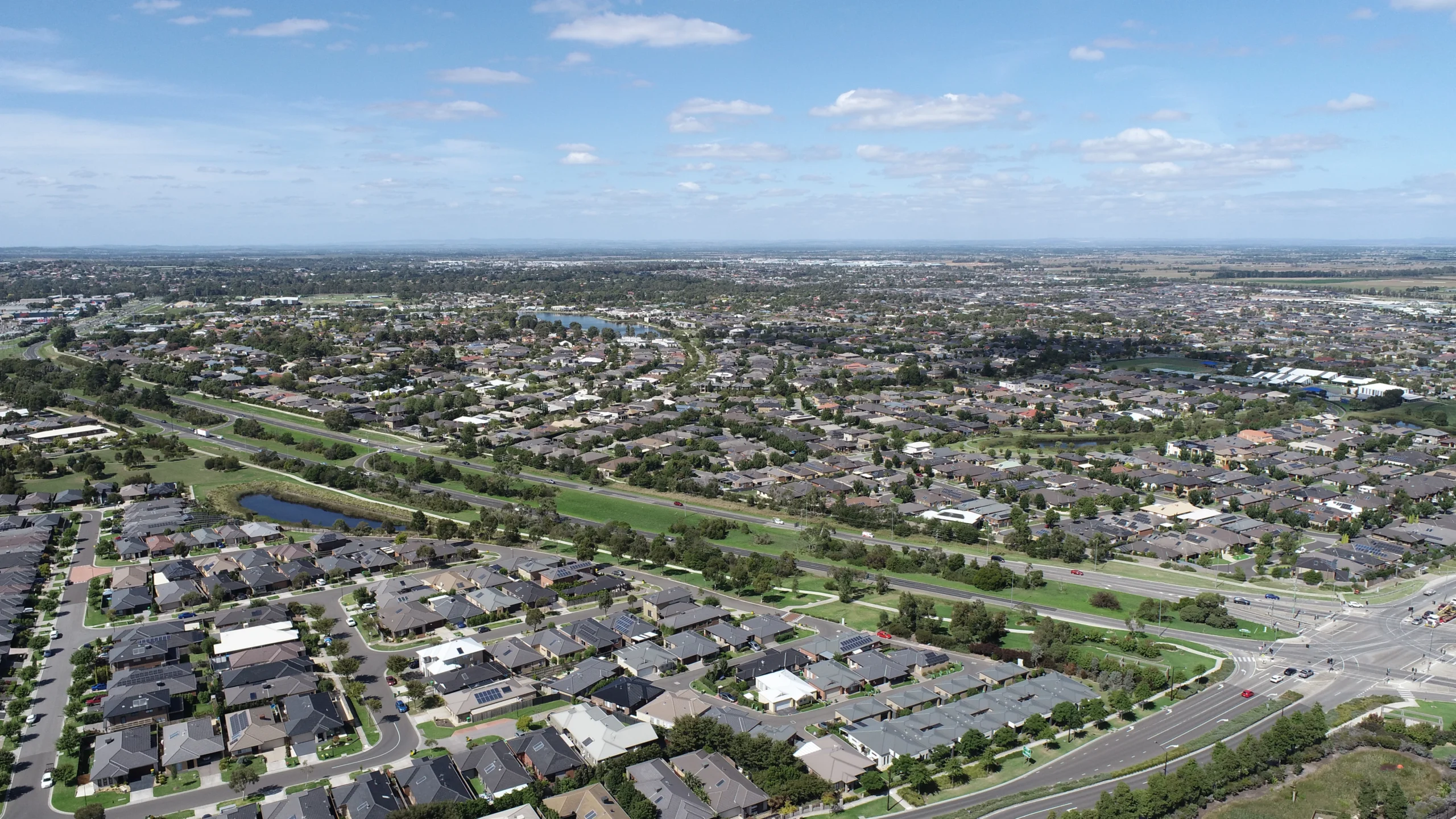

Buying an off-the-plan property – buying a home before it has been constructed – is gaining popularity in Australia. It is also a modern and flexible mode of entry into the property market that is, in many cases, cost-effective for many homebuyers and investors. As with any big investment, there are both benefits and risks associated with it.
We focus on making you make confident, well-informed decisions at NextHouse. This guide dissects the key advantages and disadvantages to determine whether off-the-plan purchasing is a good idea or not.
What Does “Off-the-Plan Property” Actually Mean?
Purchasing Off-the-Plan Property involves committing to a property according to the architectural plan, digital visualisations, and a written specification. It may be in the process of construction – or it may not have begun at all. Normally, a deposit is paid at the time of signing contracts, and the full amount is paid at settlement after construction has been completed.
This purchasing experience provides you with time, flexibility and an opportunity to settle into a modern house way before that time.
Why Buyers Choose Off-the-Plan Property?
1. Lock in Today’s Price
Price security is one of the largest attractions. By signing the contract, the cost of buying is fixed. In case the real estate market surges during the building, then you can have immediate equity upon settlement. This can be a great benefit to the buyers in the expanding suburbs.
2. Smaller Up-Front Costs
The majority of Off-the-Plan Property purchases only have a deposit of 5-10 per cent, and it is paid later. This will help buyers to save more, better their financial situation or get ready for their home loan without being in a hurry.
3. Stamp Duty Savings
Stamp duty concessions or even reductions may be available to Off-the-Plan Property purchasers in a number of states and territories. In other instances, the tax can be based on the value of the land as opposed to the entire price of the property, and this will make a big saving, particularly for first-time home buyers.
4. Contemporary Style, Reduced Maintenance
New houses imply modern designs, eco-friendly devices, and up-to-date construction quality. Electrical wiring, insulation and everything are up to date. Your builder warranties are also covered, and they can reduce the initial maintenance and repair costs.
5. Customisation Options
Beyers can customise their project finishes, colour schemes, flooring or even slightly alter their layout depending on the project and developer. This makes you have a customised house without the pressure of renovation.
Possible Downsides to Be Taken into Account.
1. Market Fluctuation Risk
It is possible to move property markets in the construction period. In case of a downward movement in the values, then the completed property could be valued at a lower price than the contract price. This may have an impact on your loan approval, and you might need more money when settling. This is a possibility that must be comfortable for the buyers.
2. Construction Delays
Home construction is a complicated activity that entails licences, resources, workmen, and weather. Delays are frequent and can affect your plans of moving, renting or even financial plans. It is important to know when the project is likely to conclude and have some flexibility in local planning.
3. Developer & Build Quality
The reliability of the developer and his/her track record is a major concern. Developers do not all provide the same quality and transparency. The cost of researching past projects, reading reviews, and knowing what the contract guarantees you is not going to waste significant amounts of money.
4. Final Product Variations
Visual imagery is given by visualising brochures, as well as a vision, not necessarily a direct reflection. The completed property can have slight variations in terms of layout, materials or fittings. Although it is normal to have some slight modifications in a huge project, it is necessary to revisit your contract in order to ensure that you are aware of what should be delivered as committed.
5. Finance Approval Challenges
Formal approval of loans is commonly given by lenders near settlement, in some cases several years after a deposit has been made. Your monetary status, borrowing or lending policies or interest rates might vary during the time. The buyers must always remain financially stable and have a buffer.
6. Continuing Strata/Body Corporate Costs
Apartments and townhouses which are off the plan usually have communal facilities such as swimming pools, gymnasiums or gardens. These not only add to the value of the lifestyle but also raise constant strata fees. These costs are only understood in advance to prevent future surprises.
Who Is Off-the-Plan Property Best Suited For?
This is the best purchase strategy in the case of:
- Families in search of new homes that are modern and affordable.
- Investors desiring depreciation and possible capital increase.
- Customers who want to plan their purchases with a long settlement period.
- All people interested in the style of a new house without having to construct one.
However, it might not be the most appropriate for buyers who require occupancy urgently or those who do not feel at ease with market or building uncertainties.
Tips Before You Commit
- Learn about the developer and his/her previous work.
- Consult a lawyer regarding the contract, particularly sunset terms.
- Pre-approve loans to stay afloat.
- Know all the fees, strata charges and government charges.
- Questions on inclusions, upgrades and timelines should be asked in detail.
Final Thoughts
The opportunities in purchasing Off-the-Plan Property in Australia can be amazing; it could be a contemporary lifestyle, a chance to design a house according to your own preferences, financial benefits and a chance to increase the equity. It is also time-consuming and necessitates a thorough examination and comprehension of the dangers.
At NextHouse, we aim to equip you with the correct knowledge and resources to make certain property choices. Our professionals are available to you to take care of all your business needs, whether it be an off-the-plan purchase or venturing into your next investment.
Disclaimer: This report is for educational and informational purposes only. It does not constitute financial, investment, or legal advice. Always seek professional advice before making property decisions.